
Meta Expands AI Glasses Ecosystem with Developer Toolkit
Alongside the launch of its new AI glasses, Meta is taking an important step forward: opening its wearables to third-party developers with the Meta Wearables Device Access Toolkit. This toolkit will allow developers to build apps that connect directly with Meta’s devices, unlocking new integrations and experiences.

New Integrations for Next-Gen AI Glasses
With this toolkit, developers can leverage the built-in sensors of Meta’s AI glasses to deliver seamless hands-free functionality. The first version provides access to camera and audio features, enabling use cases such as:
- Disney Imagineering R&D: testing in-park guidance for visitors.
- Twitch & Streamlabs: enabling creators to livestream directly from their glasses, even on multiple platforms simultaneously.
- HumanWare: building live navigation support for blind and low-vision users.
The upcoming Meta Oakley “Vanguard” glasses, designed for athletes, are expected to fully embrace these integrations.
Paving the Way for Full AR Experiences
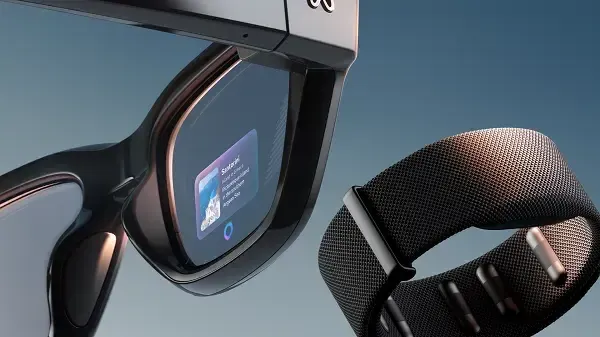
In the long run, Meta plans to expand the toolkit to cover all AI glasses capabilities, including the built-in display and wristband controller technology. This will give developers the ability to create richer app add-ons and immersive experiences within Meta’s ecosystem.
Developer Preview Launch
To kick things off, Meta will release a developer preview of the toolkit with limited access:
- Build prototypes and test sensor-based experiences.
- Distribute apps to testers via the Wearables Developer Center.
- Publish to restricted audiences during the preview phase to ensure safe, responsible development.
Meta emphasizes that this phase is designed for experimentation and feedback, ensuring the toolkit evolves based on real-world input.
Why It Matters
By opening up to third parties, Meta is not only broadening the use cases for its wearables but also boosting consumer adoption. The more integrations and experiences available, the more likely users are to try Meta’s AI glasses—ultimately driving device sales.
And this is only the beginning. With next-generation AR glasses scheduled for release next year, Meta is laying the groundwork for a major shift in how people connect, work, and entertain themselves.
👉 This move positions Meta to gain a competitive edge in the wearables market, making AI glasses a central part of everyday life.